Understanding T-Shirt Printing Technologies
The world of custom apparel has shifted dramatically in recent years, with printing technologies evolving to meet the demands of both creators and consumers. At the forefront is the impresora de camisetas, which offers innovative solutions for businesses looking to make their mark in the custom T-shirt market. Whether you're a small startup or a well-established brand, understanding the nuances of T-shirt printing technologies is crucial for success.
As you explore your options, impresora de camisetas provide comprehensive insights into the diverse range of available printers designed for different needs. Among the available options, Direct-to-Garment (DTG) printers and Direct-to-Film (DTF) printers have emerged as powerful tools that offer vibrant colors and flexibility in production. This article will guide you through the distinct technologies, advantages, and considerations involved in choosing the right printer for your business.
What is a T-Shirt Printer?
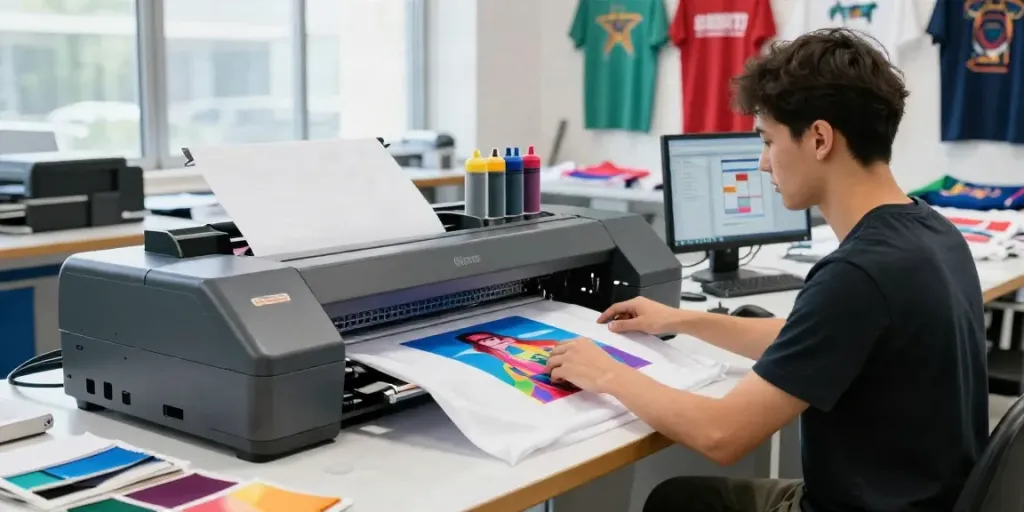
A T-shirt printer is any machine designed to apply designs or text onto fabric, specifically T-shirts. Broadly speaking, there are several methodologies to achieve this, including screen printing, heat transfer, DTG, and DTF printing. Each method has its own set of advantages and is suited for different types of projects.
The Differences Between DTG and DTF Printers
While both DTG and DTF printers excel in producing high-quality prints, they do so in different ways. DTG printers apply ink directly onto the garment, which allows for intricate designs and a softer feel. They are ideal for small batches or custom prints, although they may require pretreatment of the fabric.
Conversely, DTF printing involves transferring designs from film onto the fabric using heat. This method provides greater versatility in terms of fabric types and often produces brighter colors, making it suitable for a wide range of applications, from promotional products to custom fashion statements.
Advantages of Sublimation Printing Over Traditional Methods
Sublimation printing stands out as a preferred choice for many businesses, primarily due to its ability to produce vibrant, long-lasting designs. Unlike traditional printing methods that sit on the surface of the fabric, sublimation dye is infused into the fibers, leading to prints that resist fading and cracking.
This technology is particularly appealing for polyester fabrics and allows for full-color designs that captivate consumers. Additionally, sublimation printing is highly efficient for larger runs, as it minimizes setup times and maximizes output.
Choosing the Right Printer for Your Business
Selecting the right printer for your t-shirt printing business is crucial. Consider factors such as your target market, print volume, and budget when making this decision. The following sections will help you navigate your options and make informed choices.
Factors to Consider When Buying an Impresora de Camisetas
When evaluating potential printers, consider the following factors:
- Print Quality: Look for printers that offer high resolution and vibrant colors.
- Production Speed: If high volume is your goal, ensure the printer can keep pace with your demand.
- Versatility: Can the printer handle various fabric types and sizes?
- Cost of Operation: Understand the ink and maintenance costs involved with running the machine.
- Ease of Use: A user-friendly interface can save valuable time during setup and operation.
How to Assess Your Print Volume and Demand
Understanding your market demand is essential. Analyze past sales data, seasonal trends, and potential customer preferences to gauge how much and how often you will print. This analysis will guide your purchase decision, ensuring you choose a printer that aligns with your operational needs.
Comparison of Available Models and Features
Explore various models from leading brands, focusing on key features such as:
- Printing Technology: DTG vs. DTF vs. sublimation.
- Cost: What fits within your budget while still meeting your quality standards?
- Warranty and Support: Consider the manufacturer's service offerings and customer support.
Best Practices for Maximizing Print Quality
Achieving high-quality prints requires attention to detail throughout the production process. Below are best practices to ensure optimal printing results.
Understanding Color Profiles and Calibration
Accurate color representation is vital in printing. Make sure to calibrate your printer regularly and utilize color profiles specific to your printer and media. This step minimizes discrepancies between the design and final product.
Preparing Files for Optimal Printing Results
When preparing design files, ensure they are in a compatible format and resolution for your printer. High-resolution images help maintain clarity and detail in your prints.
Maintaining Your Printer for Consistent Performance
Routine maintenance is crucial to sustain the performance of your T-shirt printer. Regularly clean print heads, check for software updates, and follow the manufacturer's maintenance guidelines to avoid downtime.
Case Studies of Successful T-Shirt Printing Businesses
Real-world examples can provide invaluable insights into the best practices and strategies employed by thriving printing businesses.
Spotlight on Innovative Small Businesses
Take a look at case studies of small businesses that have successfully integrated T-shirt printing into their operations. Their stories can inspire and offer lessons on marketing, customer service, and product quality.
How Customer Feedback Shapes Print Services
Understanding customer feedback is essential for improving services. Many successful businesses actively solicit input from their customers to refine their offerings and enhance satisfaction.
Lessons Learned from Failed Printing Ventures
Not all ventures succeed. Analyzing common pitfalls encountered by other businesses can provide a roadmap for avoiding similar mistakes, helping new entrepreneurs chart a course toward success.
Future Trends in T-Shirt Printing Technology
The T-shirt printing industry is dynamic, continually evolving with advancements in technology. Staying informed about emerging trends can position your business advantageously.
Emerging Technologies and Innovations Coming in 2026
As we look toward the future, several technologies are set to enhance the printing process. Innovations such as automated workflows, improved inks, and faster printing technologies are likely to become commonplace.
Environmental Considerations and Sustainability Initiatives
With increased awareness of environmental issues, many businesses are prioritizing sustainability in their practices. Explore eco-friendly materials and processes that minimize waste and reduce your environmental footprint.
The Role of Automation in Textile Printing
Automation is transforming how T-shirt printing businesses operate. By integrating automated systems, businesses can streamline processes, reduce labor costs, and improve efficiency.
What type of printer is best for printing t-shirts?
Ultimately, the best printer depends on your specific needs. DTG printers are great for detailed designs, while DTF printers offer greater versatility across fabric types.
How much does a t-shirt printing machine cost?
The cost of T-shirt printing machines can vary widely based on features and capabilities, ranging from a few hundred to several thousand dollars. Investing wisely ensures you get the best return on your investment.
How can I print my own t-shirt designs?
Printing your own designs is increasingly accessible with user-friendly software and affordable printers. Start by creating your design, preparing the file, and utilizing an optimal printing method.
What machine is suitable for printing logos on clothing?
For logo printing, DTG and DTF printers are both excellent choices, depending on the specifics of the project and fabric type.
What are the benefits of using a DTG printer?
DTG printers offer exceptional detail, vibrant colors, and the ability to print on a variety of fabrics, making them ideal for custom designs and small runs.